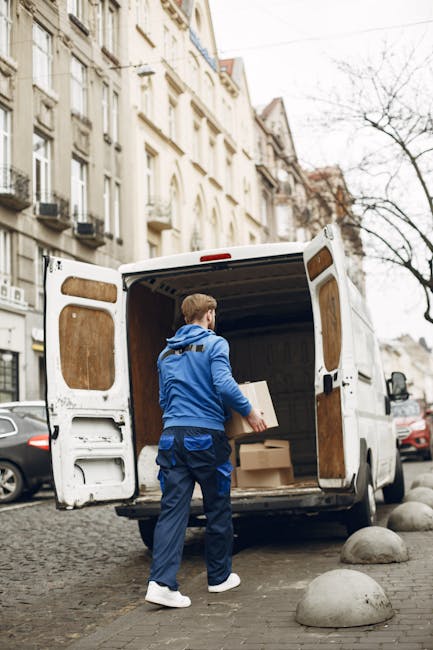
Acton High Street furniture removals and delivery: a practical local guide
If you are planning Acton High Street furniture removals and delivery, you are probably juggling a few things at once: tight access, awkward stairways, fragile furniture, and the simple reality that the High Street is rarely a "park anywhere, take your time" kind of place. Truth be told, that is exactly why a clear plan matters. Whether you are moving a sofa across town, getting a dining table delivered, or shifting a full flat's worth of furniture, the right approach saves time, stress, and a fair bit of back pain.
This guide breaks down how furniture removals and delivery work on and around Acton High Street, what to expect from a professional service, where the common problems crop up, and how to prepare properly. It is written for people who want a move to feel organised rather than chaotic. You know, the sort of move where you still have your patience at the end of it.
Table of Contents
- Why Acton High Street furniture removals and delivery matters
- How Acton High Street furniture removals and delivery works
- Key benefits and practical advantages
- Who this is for and when it makes sense
- Step-by-step guidance
- Expert tips for better results
- Common mistakes to avoid
- Tools, resources and recommendations
- Law, compliance, standards, and best practice
- Options, methods, or comparison table
- Case study or real-world example
- Practical checklist
- Conclusion
- Frequently asked questions
Why Acton High Street furniture removals and delivery Matters
Acton High Street sits in a busy part of West London where local traffic, loading access, pedestrians, and shopfront activity can all affect a move. That means furniture removals are not just about lifting and driving. They are about timing, route planning, vehicle choice, and knowing how to work around a real street environment.
For residents, the challenge is usually domestic: getting a bed frame upstairs, moving a wardrobe without scratching the walls, or arranging a same-day delivery for a new purchase. For businesses, it might be stock, office furniture, display units, or a replacement desk that needs to arrive in one piece and on time. Either way, poor planning turns a simple job into a stressful one.
Acton High Street furniture removals and delivery matters because furniture is often bulky, valuable, and awkward. A chipped table leg or torn sofa corner can be more than annoying; it can mean extra cost, delayed setup, and a lot of unnecessary hassle. And on a street with variable access, the margin for error is smaller than people think.
Practical takeaway: the best removals and delivery jobs on busy London streets are usually the ones that look effortless, because someone has already thought through access, loading, protection, and timing.
How Acton High Street furniture removals and delivery Works
A well-run furniture removal or delivery job follows a fairly simple pattern, even if the furniture itself is anything but simple. First comes the enquiry. Then the details. Then the planning. Then the move. The smoother the early conversation, the easier the actual job becomes.
In many cases, the service starts with a description of the item or items: what they are, how heavy they are, whether they need dismantling, and where they need to go. For example, a small sideboard going from one flat to another is very different from a king-size bed, mattress, and wardrobe being collected from a shop and taken up three flights of stairs. The more specific you are, the better.
A professional team will usually ask about:
- pickup and drop-off addresses
- floor levels and lift access
- parking or loading restrictions
- item size, weight, and fragility
- packing or wrapping needs
- assembly or disassembly requirements
- preferred time window
At this point, many people discover the hidden detail they forgot to mention. It happens. Someone says "just a sofa" and then remembers, after a pause, that it is a large corner sofa with detachable sections and a loose velvet cover that marks easily. That small extra detail changes everything.
On the day, the process is usually straightforward: the item is protected, loaded securely, transported, and placed carefully at the destination. If the service includes delivery, you may also get help positioning furniture in the right room. If it includes removals, there may be extra care around dismantling, wrapping, and reassembly.
Some jobs are best handled with a smaller van and two experienced movers. Others need a larger vehicle, more hands, or a proper moving van setup. For bigger domestic or commercial loads, a broader removal services approach can be more efficient than trying to squeeze everything into a last-minute plan.
Key Benefits and Practical Advantages
There are a few strong reasons people choose professional furniture removals and delivery rather than tackling it themselves. Some are obvious. Others only become obvious once something has gone wrong.
- Less physical strain: heavy furniture is awkward even before you add stairs, corners, and door frames.
- Reduced damage risk: proper wrapping, handling, and loading protect both the furniture and the property.
- Better local handling: experienced crews understand that Acton High Street access may need careful timing and vehicle positioning.
- Faster turnaround: professionals can usually complete jobs more efficiently than a DIY attempt with one borrowed van and a lot of optimism.
- Peace of mind: you are less likely to spend the evening wondering whether a wardrobe is going to fit through the hallway.
There is also a practical money angle. People often assume DIY is cheaper, but once you factor in van hire, fuel, parking, moving equipment, protective materials, and time off work, the gap can narrow quickly. That does not mean a professional service is always the right answer, but it does mean the comparison is worth doing carefully.
If you are comparing options, it helps to look beyond the headline price and check what is actually included. A lower quote that excludes wrapping, stairs, or waiting time may not be cheaper in real terms. You want clarity, not surprises.
Who This Is For and When It Makes Sense
Acton High Street furniture removals and delivery is useful for a wide range of people. The main groups tend to be:
- Homeowners and tenants: moving a few large items, replacing furniture, or clearing a room before a refurbishment.
- Flat sharers: when stairs, narrow halls, and limited storage make DIY moving more stressful than it should be.
- Online furniture buyers: especially when the item is too large for a regular car.
- Local shops and small businesses: receiving stock, display furniture, office desks, or replacement fixtures.
- Landlords and letting agents: arranging quick removals between tenancies or preparing a property for new occupants.
It makes sense whenever the item is too bulky, too valuable, or too awkward to manage safely on your own. It also makes sense when time matters. A same-day delivery can save a weekend. A properly organised removal can prevent damage to freshly decorated rooms. Small things, but they add up.
If you are moving more than one item or a full set of furniture, a more structured option such as home moves or man and van support may be better than arranging everything separately. For offices or commercial spaces, commercial moves or office removals can make the process much easier to coordinate.
Step-by-Step Guidance
If you want the move to go smoothly, a step-by-step approach helps more than people expect. Here is a sensible way to handle it.
- List every item clearly. Write down dimensions if you can, or at least describe the furniture honestly. A "small wardrobe" and a "wardrobe" are not always the same thing.
- Check access at both ends. Look at stairs, tight corners, lifts, parking, and the distance from vehicle to door. Even ten extra metres can matter with a heavy sofa.
- Separate fragile and awkward pieces. Glass tops, mirrored furniture, marble, and antique items need extra care.
- Decide whether dismantling is needed. Some beds and wardrobes are easier, safer, and honestly less stressful when taken apart first.
- Choose the right vehicle and team size. For small loads, a man with a van arrangement may be enough. For larger or heavier loads, a removal van or more comprehensive service may be more suitable.
- Prepare the furniture for transit. Blankets, straps, covers, and corner protection all help.
- Confirm the schedule and contact details. On busy streets, a phone call can save twenty minutes of confusion. Sometimes more.
- Inspect on arrival. Check that items are placed where you want them and look over any delicate surfaces before the team leaves.
A small but useful habit: take a quick photo of the furniture before collection. Not because you expect problems, but because memory is unreliable after a long day and three cups of tea. A photo gives you a simple reference point if you need one.
Expert Tips for Better Results
Here are the details that usually separate a decent move from a genuinely smooth one.
- Measure doorways and stairwells before booking. Not after. After is where regret lives.
- Book a sensible time window. Early morning or quieter periods can make access easier on a busy road.
- Tell the team about parking limits. If they need to walk furniture further than expected, they should know in advance.
- Use the right wrapping material. Clean blankets, stretch wrap, and mattress bags can make a big difference.
- Keep hardware together. Put screws, bolts, and shelf pins into labelled bags. Future-you will be grateful.
- Leave a clear path in the property. Shoes by the door, rugs moved aside, lamps unplugged. Simple stuff, but it helps.
- Be upfront about weight and awkwardness. A piano stool is not a piano. A solid oak table is not light just because it looks elegant.
In our experience, the best customers are the ones who are a bit over-prepared. Not obsessive, just organised. It reduces uncertainty and makes the job feel calmer for everyone involved.
And yes, it is perfectly fine to ask questions before you book. In fact, you should.
Common Mistakes to Avoid
Most furniture delivery problems are preventable. That is the slightly annoying truth. The good news is that once you know the common traps, they are easier to avoid.
- Underestimating size: a sofa may fit your living room but still be awkward to move through a narrow hallway.
- Forgetting access constraints: top-floor flats, no lift, limited parking, and narrow roads all affect the job.
- Leaving packing to the last minute: rushed wrapping often leads to avoidable scuffs.
- Choosing a service that is too small: a single-item collection is not the same as a full furniture move.
- Assuming every item can be carried upright: some pieces need to be angled, rotated, or dismantled first.
- Not checking insurance and terms: it is worth knowing what is covered and what is not.
Another common one: people book based on price alone and then realise the cheapest option does not include enough time, enough labour, or enough protection. That is a classic. Happens all the time.
Tools, Resources and Recommendations
You do not need specialist equipment for every move, but a few practical items make a big difference. If you are arranging your own furniture delivery or helping the removals team, these are worth having to hand:
- moving blankets or thick furniture covers
- stretch wrap for drawers, doors, and soft items
- labels or tape for hardware and loose parts
- cardboard corner protectors for sharp edges
- strong gloves for handling rough or dusty items
- a tape measure for doors, hallways, and furniture dimensions
- a clear inventory list, even if it is just on your phone
If you are buying or clearing multiple items, it can help to compare the support available from furniture pick up, movers, and broader removals options. The right choice depends on the size of the load, how far it is going, and how much handling is involved.
If you are unsure whether the job is more of a small delivery or a larger move, ask for a service recommendation based on the items rather than guessing. That one conversation can save a lot of back-and-forth later.
Law, Compliance, Standards, or Best Practice
For furniture removals and delivery in London, the most useful thing to understand is not a pile of legal jargon, but the basic standards of safe, sensible practice. A professional mover should handle items carefully, secure them properly in transit, and avoid placing unnecessary risk on you or your property.
Good practice usually includes:
- appropriate vehicle loading and securing of cargo
- careful manual handling to reduce injury risk
- respect for building access rules and shared areas
- clear communication around timing, delays, and access
- transparent pricing and service scope
- reasonable protection for floors, walls, and furniture surfaces
It is also sensible to check the business's published policies. For example, a service provider may explain its approach to insurance and safety, health and safety, payment and security, and terms and conditions. Those pages are useful because they tell you how the service is run in practice, not just how it sounds in advertising.
If sustainability matters to you, it may also be worth reviewing how unwanted items are handled. A responsible approach to reuse and disposal is a good sign, especially when furniture is being removed alongside a move. You can also look at recycling and sustainability if you want to understand how materials and unwanted items may be managed.
Options, Methods, or Comparison Table
Different jobs need different setups. Here is a simple comparison that can help you decide what fits best.
| Option | Best for | Strengths | Limitations |
|---|---|---|---|
| Man and van | Single items, a few pieces, light local moves | Flexible, usually quick to arrange, good for shorter jobs | May not suit very large or heavy loads |
| Removal van | Medium-sized furniture delivery or removals | More space, better for multiple items, practical for local routes | Needs more planning if access is tight |
| Full removal service | Larger home or business moves | More labour, better coordination, stronger support for complex jobs | Usually more involved than a single-item delivery |
| Specialist truck hire | Heavier or bulkier loads | High capacity, suitable for bigger projects | Can be excessive for one sofa or one table |
For many Acton High Street furniture jobs, the sweet spot is somewhere between a simple local delivery and a more structured removal service. The key is matching the method to the real workload. Not the imagined one. The real one.
Case Study or Real-World Example
Imagine a couple moving into a second-floor flat just off Acton High Street. They have a bed, mattress, two bedside tables, a compact sofa, and a dining table purchased from different sellers. Individually, none of the items is dramatic. Together, they are enough to turn an evening into a scramble if nobody has planned the route.
They check access first. The stairwell is narrow. The sofa splits into two sections, which is a relief. The dining table has a glass top, so it needs extra wrapping. One seller can only release the item after lunchtime, which means the delivery window has to be kept flexible. Fair enough.
By sharing all of that up front, they avoid the usual problems: a van that is too small, wasted waiting time, and surprise handling issues. The movers arrive with blankets, straps, and the right vehicle size. The items go in securely. The glass top is protected. The bed is delivered without scraping the walls. It is not glamorous, but it works.
That is the real point of a good furniture removals and delivery service. It reduces the little frictions that otherwise eat up your time and energy. You feel that difference most at the end of the day, when you are still able to laugh instead of collapse.
Practical Checklist
Use this quick checklist before your furniture removal or delivery on or around Acton High Street:
- confirm item names, quantities, and approximate sizes
- measure doors, stairs, hallways, and lifts
- check parking or loading access at both addresses
- ask whether dismantling and reassembly are needed
- protect fragile surfaces and corners
- remove loose objects from drawers and shelves
- label hardware and fittings
- agree the time window and contact method
- ask what insurance and safety measures are in place
- confirm whether placement in specific rooms is included
Useful reminder: if an item feels awkward to lift when you are standing next to it, it will feel even worse halfway down a stairwell. Plan accordingly.
Conclusion
Acton High Street furniture removals and delivery is really about getting bulky, valuable, or awkward items from one place to another without the usual drama. The move may be simple on paper, but the practical details matter: access, timing, packing, labour, and the right vehicle all shape the outcome.
If you take the time to measure properly, describe your items accurately, and choose a service that fits the job, you will usually end up with a smoother, safer move and far less stress. That is the goal, after all. Not perfection. Just a calm, well-handled job that does what it should.
If you are comparing options and want a local, straightforward approach, it makes sense to review the most relevant service pages, check the policies, and make an informed decision. The right preparation now can save a lot of noise, lifting, and running around later.
Get a free quote today and see how much you can save.
Frequently Asked Questions
What does Acton High Street furniture removals and delivery usually include?
It usually covers collection, careful handling, transport, and delivery of furniture items. Depending on the service, it may also include wrapping, loading, unloading, placement in the room, dismantling, and reassembly.
Is this service suitable for just one item?
Yes, absolutely. A single sofa, wardrobe, bed, or table is a very common reason to book a furniture delivery. In fact, single-item jobs are often where a professional service makes the biggest difference.
How do I know whether I need a man and van or a full removal service?
If you only have a few items and access is straightforward, a smaller setup may be enough. If you have multiple heavy items, awkward access, or a full property move, a more complete service is usually the better fit.
Do I need to dismantle furniture before collection?
Not always. Some items can be moved intact, while others are safer and easier to transport when dismantled. Beds, wardrobes, and large desks often benefit from partial dismantling.
What should I do before the movers arrive?
Clear walkways, empty loose contents from furniture, label any screws or fittings, and make sure parking or access is sorted. A few minutes of prep can save a lot of time on the day.
Can furniture be delivered upstairs?
Usually yes, provided the access is safe and the item can physically fit. Stairs, corners, and lifts all need to be checked first so there are no awkward surprises halfway up.
How far in advance should I book?
For a simple local delivery, short notice may be possible. For larger moves, multiple items, or time-sensitive bookings, it is better to arrange it as early as you can.
What if my furniture is fragile or valuable?
Say so upfront. Fragile items need better wrapping, more careful handling, and sometimes a slower, more controlled loading process. It is one of those details that really should not be left out.
Are parking and loading restrictions a problem on Acton High Street?
They can be, depending on the exact location and time of day. That is why access details matter so much. Good planning helps avoid delay and reduces the risk of an inefficient load-in or load-out.
What happens if the furniture does not fit through the door?
If that happens, the team may need to try a different angle, remove legs or doors, or dismantle the item further. This is exactly why measuring beforehand is so useful. It saves guesswork.
How can I compare quotes fairly?
Look at what is included, not just the price. Check labour, vehicle size, wrapping, stairs, waiting time, and any extra handling. A quote that looks lower may simply be less complete.
Can I combine furniture delivery with other removals?
Yes, in many cases you can combine them. For example, a furniture delivery can be paired with home moves or other removal work if the schedule and vehicle space allow it.
What is the safest way to prepare a sofa or bed for transport?
Protect corners and fabric, secure loose parts, and remove anything detachable. Mattresses and soft furnishings should be kept clean and covered where possible, especially if they are being loaded through busy access routes.
Where can I learn more about the company before booking?
It is wise to review the company's about page, policies, pricing information, and service pages. That gives you a better feel for how they work and what to expect before you commit.